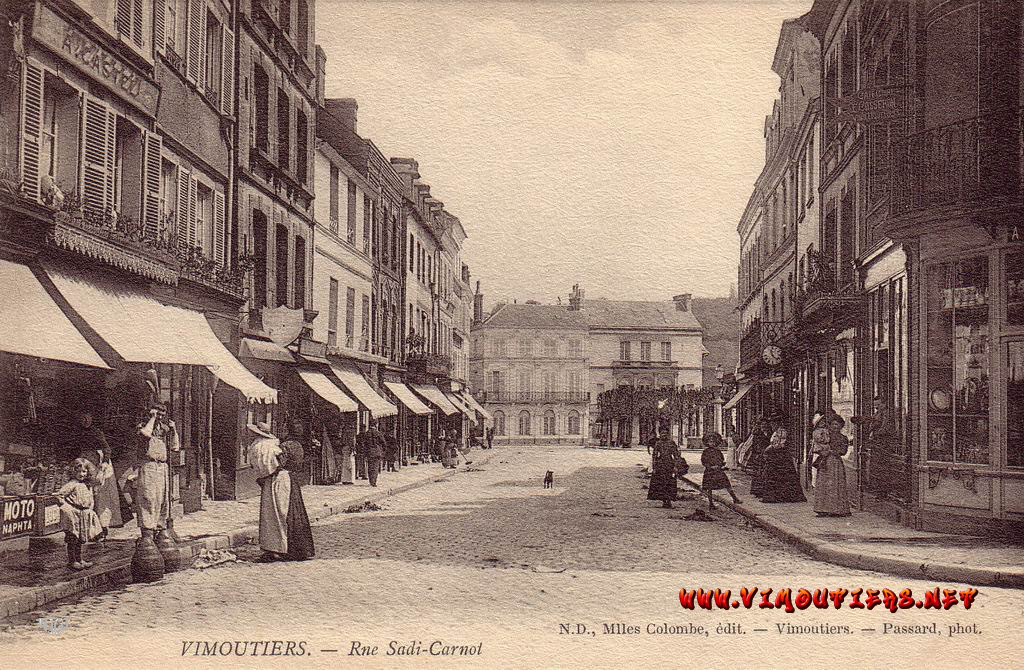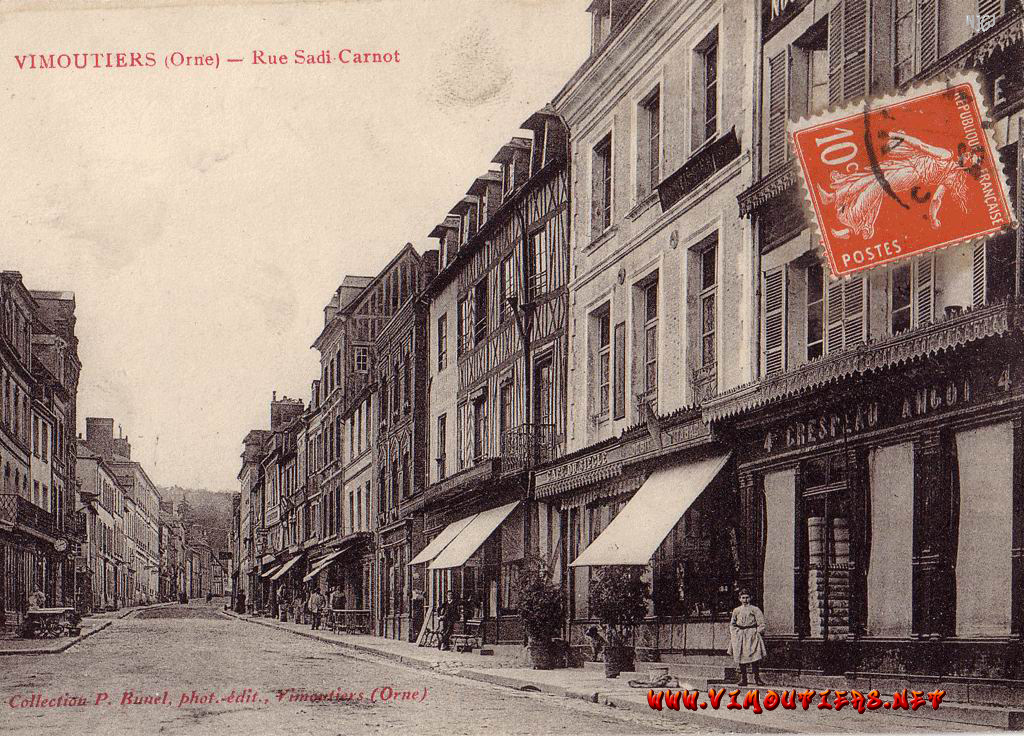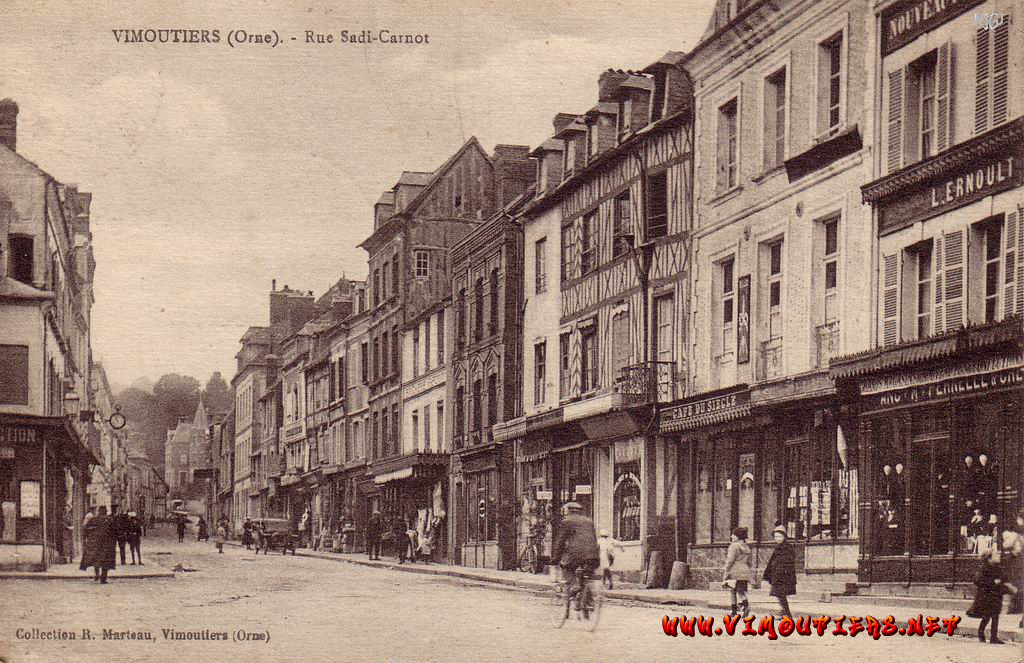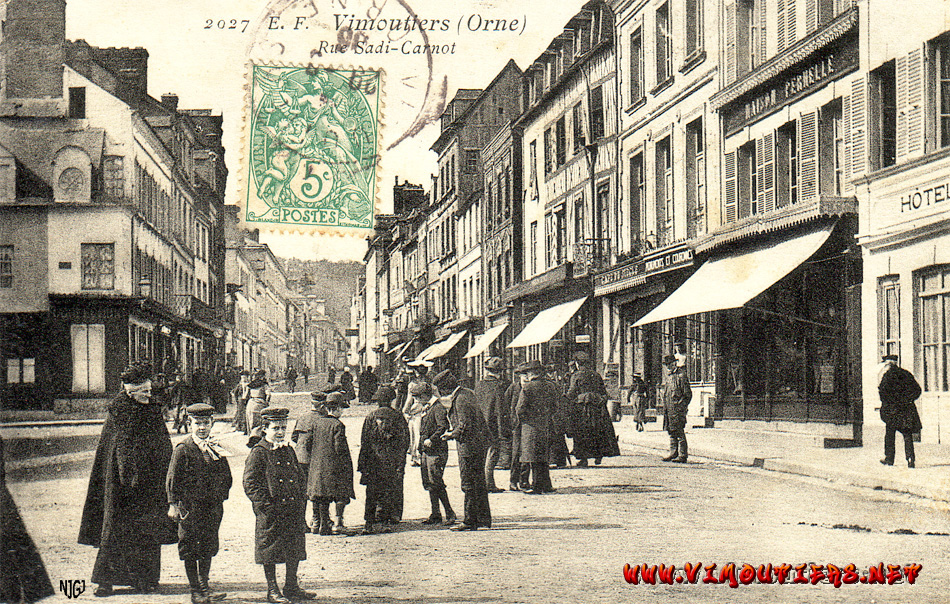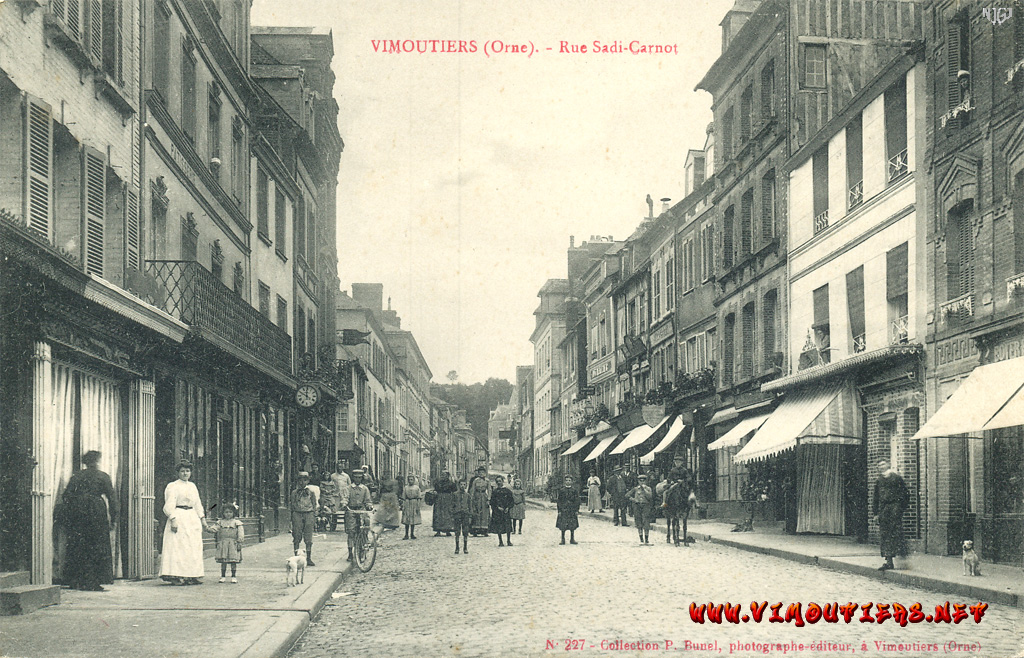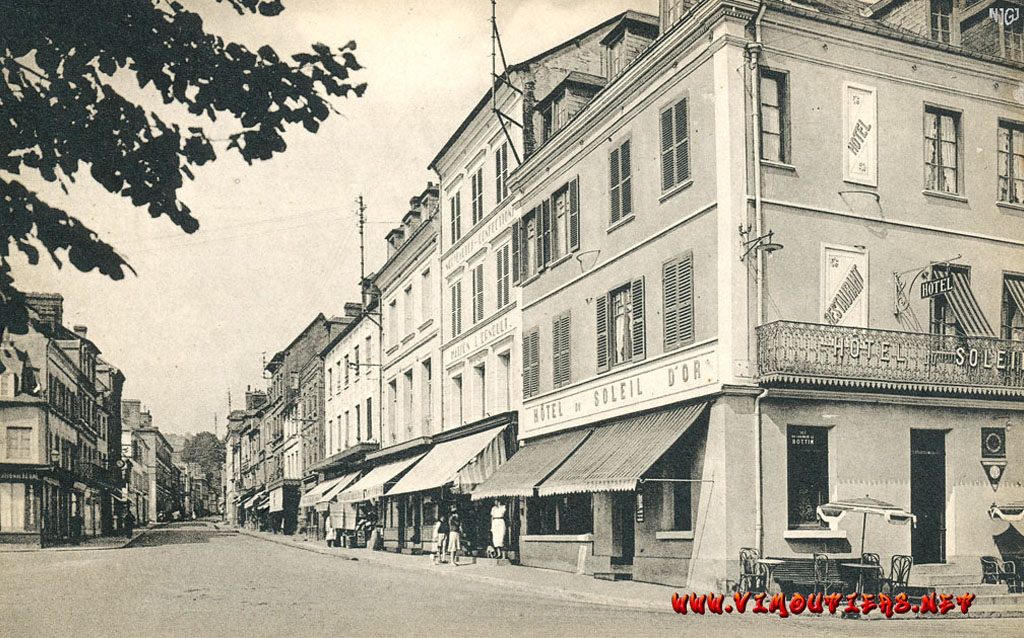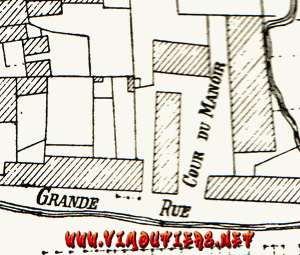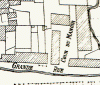
from map 1779
" There was there a fortified
Manor ... probably still made from wood and having never had other great
purposes than to protect from plunderers and warriors in petty thieving
certainly ... but which constituted nevertheless the piece of resistance of that
time.
 ►
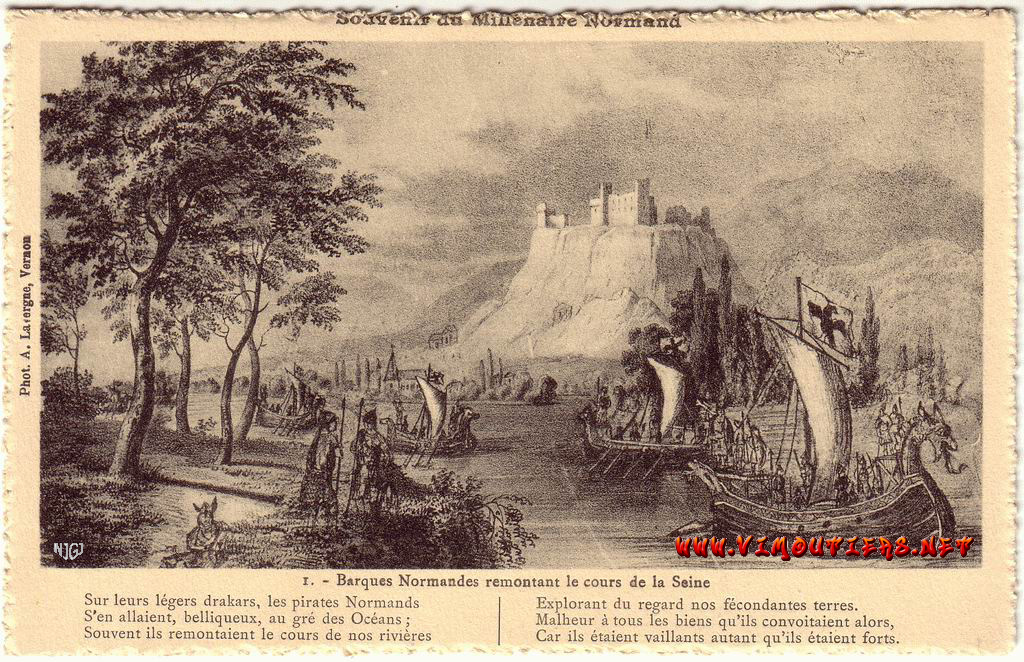
In year 911, July the 11th, by
the
treaty of Saint-Clair-sur-Epte, Normandy, in Neustrie
then, is given to the Norwegian Viking leader Rollo.
►
In year 911, July the 11th, by
the
treaty of Saint-Clair-sur-Epte, Normandy, in Neustrie
then, is given to the Norwegian Viking leader Rollo.
►
In 994,
Richard I gives Vimoutiers, Crouttes and le Renouard to warriors, of whom
Osmont
his equerry, who had saved him from the attaints of his tutor suzerain,
Louis IV d'Outremer, aka Louis IV of overseas, king of France. Richard
keeps the manor.
►
In 995,
Osmont
and his companions make a present of their possessions to the
Jumieges Abbey
and,
►
In 1024,
Richard II
confirms to the
Jumieges Abbey
the possession
of these territories of Vimoutiers and moreover offers to them the manor
that he had inherited as well as its appurtenances.
Hereunder how, circa 1060,
William of Jumieges,
known as
Guillaume Calculus, reported the event in his History of the Normans :
"Making a halt in
Jumieges,
Richard II rested for the night in the abbey. The following day, up early in the
morning as he would usually do, he walked to the Abbey in order to pray,
then his prayer ended, he posed a small piece of wood on the altar. As
he was withdrawing, the sextons appproached the altar, believing they
would find a marc, one ounce of gold or something similar. But they
found there only the small piece of wood, so not without astonishment,
they wondered what that meant. Finally, they asked to the Prince what
was the thing that he had laid on the altar. The Prince answered that it was the
manor of Vimoutiers, of which, for the salvation of his soul, he made a
present to them".
But for several
centuries, Normandy will be a stake of fight between France and England
until 1450, when
Dunois and his companions drove for good the English
conquerors out of France. Nevertheless the fights were incendiary and
History lets think that the manor, the first Church Notre-Dame and half
of the village and its inhabitants perished in the flames.
More about :
Richard I or
Richard II
Orderic Vitalis as a source